
What is a Vegetarian Keto Diet?
Combining plant-based eating with the keto approach involves drastically reducing carbs and increasing healthy fats, offering a unique path to wellness and weight management.
Understanding the Keto Diet Basics
The ketogenic diet centers around drastically reducing carbohydrate intake—typically to around 20-50 grams per day—and replacing it with high amounts of fat. This metabolic shift forces the body to enter a state called ketosis, where it begins to burn fat for fuel instead of glucose derived from carbohydrates.
Understanding macronutrient ratios is crucial: roughly 70-80% of calories from fat, 20-25% from protein, and 5-10% from carbohydrates. This approach fundamentally alters how the body utilizes energy, impacting weight loss and overall metabolic health. It’s a powerful dietary strategy, but requires careful planning and adherence to maintain the desired metabolic state.
Why Combine Vegetarianism with Keto?
Combining vegetarianism and the ketogenic diet offers a unique approach to health, appealing to those seeking both plant-based nutrition and the metabolic benefits of keto. Many individuals choose this path for ethical, environmental, or health reasons, desiring to avoid meat while still leveraging the fat-burning potential of a low-carb lifestyle.
This fusion can lead to improved blood sugar control, weight management, and enhanced energy levels. However, it requires careful planning to ensure adequate protein intake and prevent nutrient deficiencies, as traditional keto often relies heavily on animal products.
Foods to Eat on a Vegetarian Keto Diet
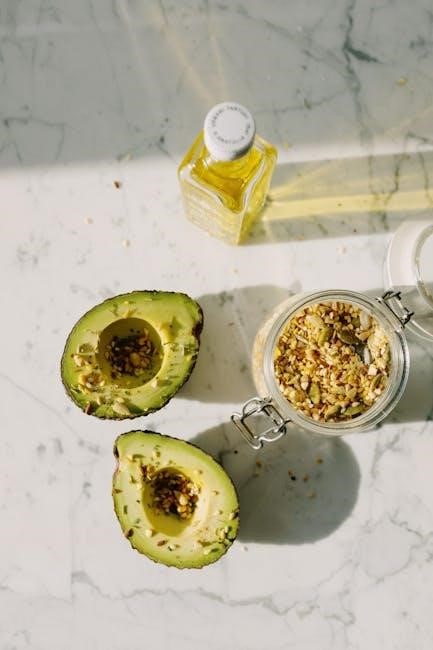
Focus on healthy fats like avocados, nuts, and seeds, alongside non-starchy vegetables and vegetarian protein sources like tofu and tempeh.
Healthy Fats Sources
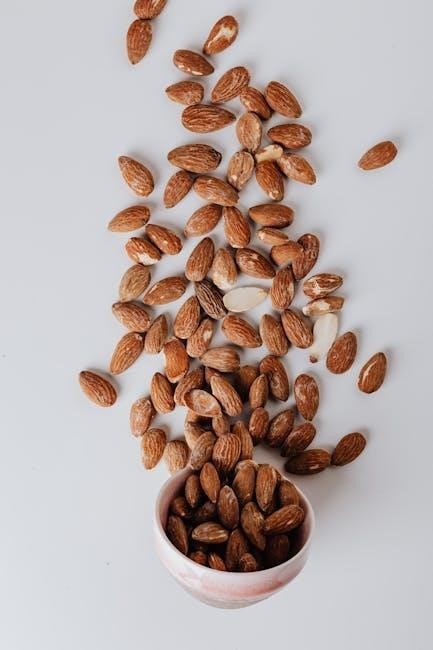
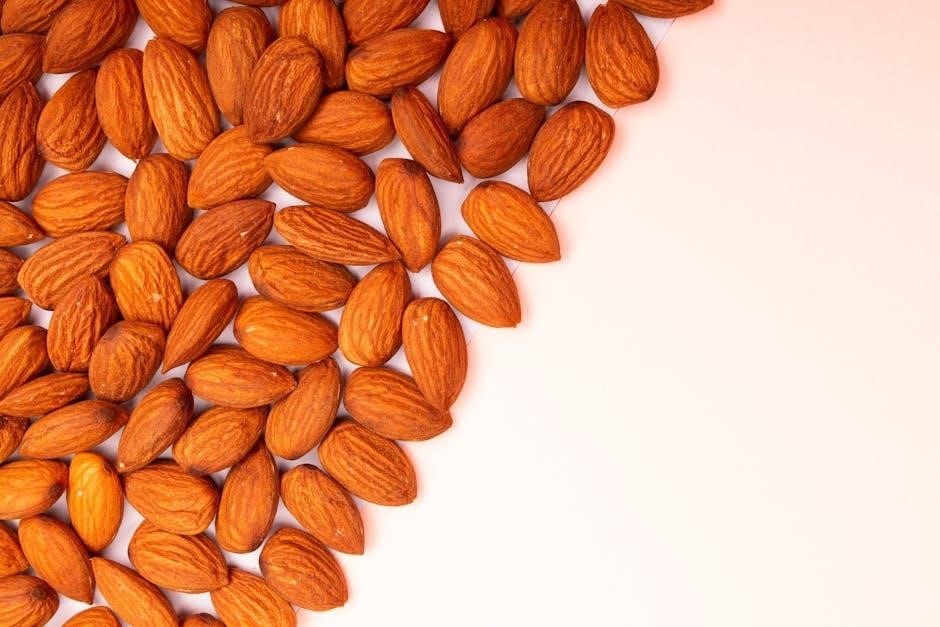
Embracing healthy fats is crucial on a vegetarian keto diet, as they become your primary energy source. Avocados are a fantastic choice, offering creamy texture and essential nutrients. Nuts and seeds, like almonds, walnuts, chia seeds, and flaxseeds, provide sustained energy and healthy fats.
Olive oil and coconut oil are excellent for cooking, adding flavor while boosting fat intake. Consider incorporating MCT oil, known for its rapid absorption and potential cognitive benefits. Remember, fats are not the enemy on keto; they are the fuel!
Non-Starchy Vegetables
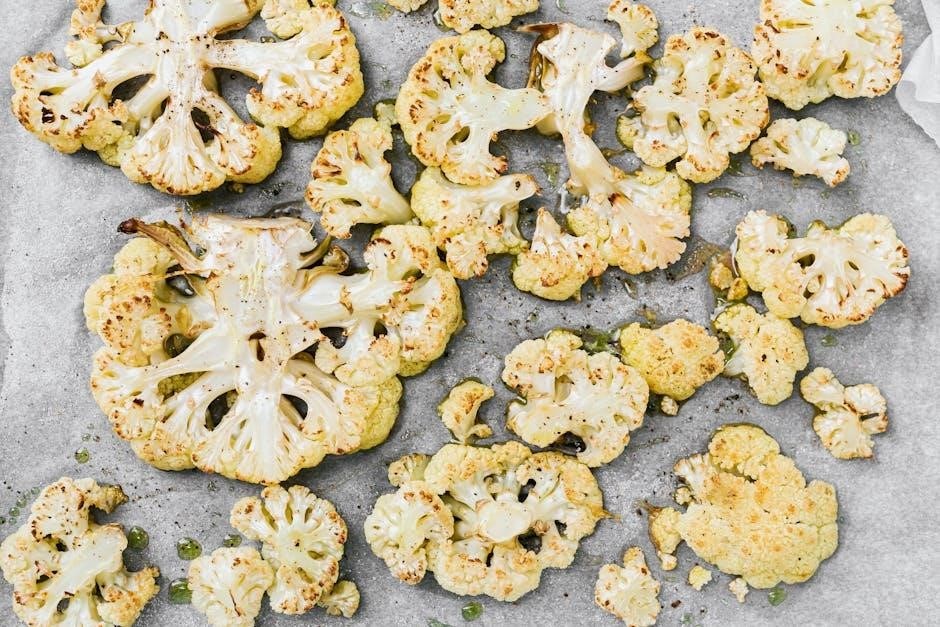
Non-starchy vegetables are your allies on a vegetarian keto journey, providing essential vitamins, minerals, and fiber without significantly impacting carb intake. Leafy greens like spinach, kale, and lettuce form the foundation of many keto-friendly meals. Broccoli, cauliflower, and Brussels sprouts offer versatility and nutritional value.
Asparagus, zucchini, and bell peppers add color and flavor to your dishes. Remember to prioritize these low-carb options to stay within your daily macro limits, ensuring a nutrient-rich and satisfying diet.
Protein Sources for Vegetarian Keto
Securing adequate protein on a vegetarian keto diet requires careful planning, as traditional meat sources are excluded. Tofu and tempeh, derived from soybeans, are excellent versatile options, offering complete proteins. Seitan, made from wheat gluten, provides a substantial protein boost, but isn’t suitable for those with gluten sensitivities.
Eggs (if included in your vegetarianism) are a fantastic source of protein and healthy fats. Consider incorporating nuts and seeds, like chia and hemp seeds, for added protein and essential nutrients.
Foods to Avoid on a Vegetarian Keto Diet
Steer clear of high-carb foods like most fruits, starchy vegetables, grains, legumes, and sugary items to maintain ketosis and achieve optimal results.
High-Carb Vegetables
Certain vegetables, while nutritious, contain a significant carbohydrate count that can hinder ketosis on a vegetarian keto diet. It’s crucial to be mindful of portion sizes and choose lower-carb alternatives.
Avoid or severely limit vegetables like potatoes, sweet potatoes, corn, peas, and parsnips. These root vegetables are packed with starches, quickly converting to glucose. Similarly, butternut squash and pumpkin, though versatile, are higher in carbs than keto-friendly options. Be cautious with winter squash varieties.
Focus instead on non-starchy vegetables (discussed elsewhere) to fulfill your daily vegetable intake while staying within your macronutrient goals. Careful planning and awareness are key to success.
Grains and Legumes
Grains and legumes are generally off-limits on a strict vegetarian keto diet due to their high carbohydrate content. These food groups are staples in many vegetarian diets, making the transition more challenging, but achievable with careful planning.
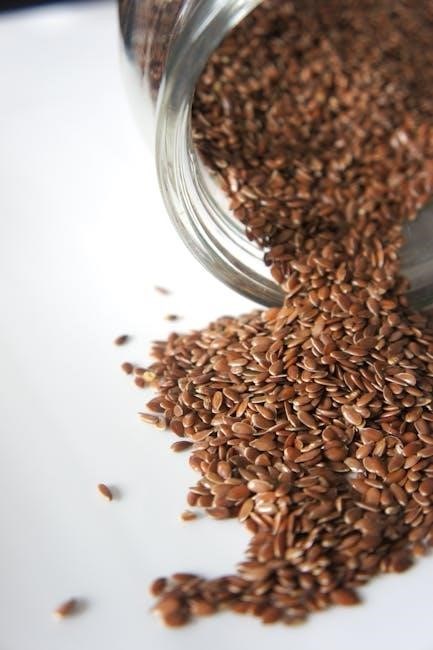
Completely eliminate wheat, rice, oats, barley, and corn from your diet. Similarly, all beans (black beans, kidney beans, chickpeas), lentils, and peas are too high in carbs to fit within keto guidelines. These foods convert rapidly into glucose, disrupting ketosis.
Focus on keto-approved fat and protein sources to replace the energy typically derived from grains and legumes. Prioritize non-starchy vegetables for fiber and nutrients.
Sugary Foods and Drinks
Sugary foods and drinks are absolutely prohibited on a vegetarian keto diet, as they quickly derail the metabolic state of ketosis. This includes obvious sources like candy, soda, juice, and desserts, but also hidden sugars in processed foods.
Avoid honey, maple syrup, agave, and even natural fruit juices. Artificial sweeteners can be used in moderation, but some individuals experience negative reactions. Carefully read labels to identify hidden sugars in sauces, dressings, and yogurt.
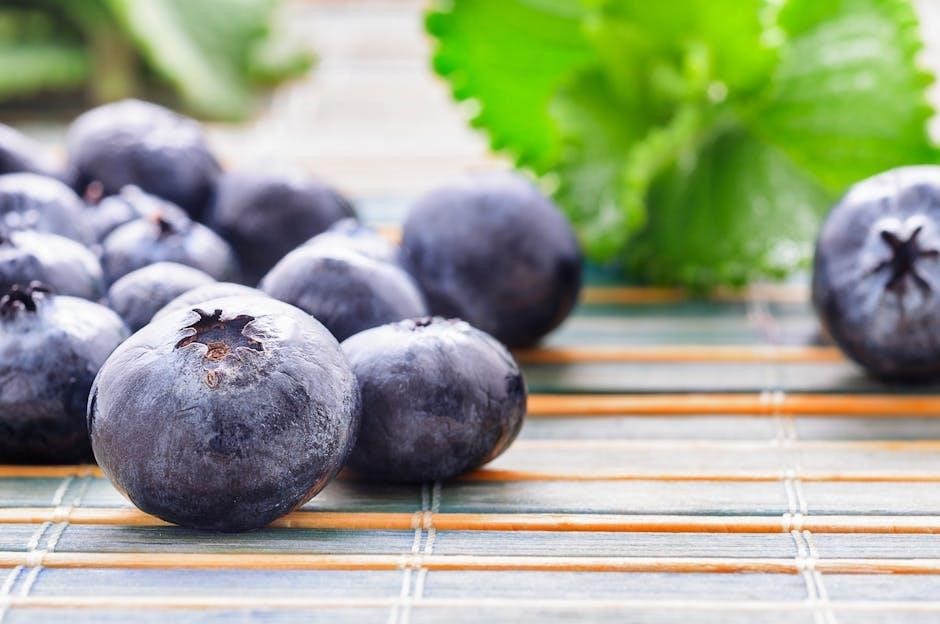
Opt for unsweetened beverages like water, herbal tea, and black coffee. Satisfy sweet cravings with keto-friendly alternatives like berries in small portions.

Sample 7-Day Vegetarian Keto Meal Plan
A well-structured plan is crucial for success; this outline provides delicious, low-carb vegetarian meals for a week, aiding adherence and maximizing results.
Day 1-3 Meal Ideas
Day 1: Begin with a tofu scramble with spinach and avocado for breakfast, followed by a halloumi and zucchini “noodle” salad for lunch. Dinner features a creamy cauliflower mash with sautéed mushrooms and a side of steamed broccoli.
Day 2: Start with chia seed pudding made with almond milk and berries. Lunch is a large salad with mixed greens, feta cheese, olives, and a vinaigrette dressing. Enjoy a coconut curry with tofu and cauliflower rice for dinner.
Day 3: Enjoy an omelet filled with cheese and bell peppers. A snack of macadamia nuts will keep you satisfied until a dinner of baked avocado with a creamy cashew sauce and a side salad.
Day 4-7 Meal Ideas
Day 4: Kickstart your day with a coconut flour pancake topped with sugar-free syrup and berries. Lunch consists of a portobello mushroom “burger” with avocado and a side salad. Dinner is a spinach and artichoke dip served with pork rinds for dipping.
Day 5: Enjoy a breakfast smoothie with almond milk, spinach, and protein powder. Lunch features a cauliflower crust pizza with cheese and your favorite low-carb toppings. Dinner is a vegetable stir-fry with tofu and a sesame oil sauce.
Day 6 & 7: Rotate favorites, incorporating cheese, nuts, and non-starchy vegetables;
Potential Benefits of a Vegetarian Keto Diet
This diet may promote weight loss, enhance blood sugar control, and improve overall metabolic health, offering advantages for those seeking a plant-based lifestyle.
Weight Loss
The vegetarian keto diet’s effectiveness for weight loss stems from its metabolic shift, forcing the body to utilize fat as its primary energy source instead of carbohydrates.
This process, known as ketosis, can lead to reduced appetite and increased fat burning. By significantly limiting carbohydrate intake – a cornerstone of both keto and plant-based approaches – the body depletes glycogen stores, prompting it to tap into fat reserves.
Furthermore, the high-fat content promotes satiety, helping individuals feel fuller for longer and potentially consume fewer calories overall. This combination of metabolic changes and appetite regulation makes it a potentially powerful tool for achieving and maintaining a healthy weight.
Improved Blood Sugar Control
A vegetarian keto diet can significantly improve blood sugar control, particularly beneficial for individuals with insulin resistance or type 2 diabetes. By drastically reducing carbohydrate intake, the diet minimizes glucose spikes and lowers overall blood sugar levels.
This reduction in carbohydrate consumption lessens the demand for insulin, allowing the body to become more sensitive to this hormone over time.
The focus on healthy fats and moderate protein further contributes to stable blood sugar levels, preventing the rapid fluctuations often associated with high-carb diets. Consistent blood sugar control is crucial for overall health and disease prevention.
Challenges of a Vegetarian Keto Diet
Successfully navigating this diet requires careful planning to avoid nutrient gaps and ensure adequate protein intake, which can be more complex without meat.
Meeting Protein Requirements
Protein intake is a significant hurdle on a vegetarian keto diet, as many traditional keto protein sources are animal-based. Plant-based proteins often come with higher carbohydrate counts, demanding careful selection.
Vegetarians must strategically incorporate keto-friendly options like tofu, tempeh, seitan (in moderation), and certain nuts and seeds. Utilizing protein powders – hemp, pea, or soy isolate – can supplement intake.
A free PDF plan should detail protein targets based on individual needs and provide recipes maximizing protein content while staying within keto macros. Prioritizing complete protein sources and combining complementary proteins is crucial for optimal health.
Nutrient Deficiencies
A vegetarian keto diet, while beneficial, carries a risk of nutrient deficiencies if not carefully planned. Common concerns include vitamin B12, iron, calcium, vitamin D, zinc, and omega-3 fatty acids, often obtained from animal products.
A comprehensive free PDF plan should address these potential shortfalls, recommending supplementation where necessary. Emphasis on nutrient-dense, keto-friendly vegetables and incorporating fortified foods is vital.
Regular blood tests are advisable to monitor nutrient levels. The plan should also educate users on recognizing deficiency symptoms and adjusting their diet accordingly for long-term health.

Tips for Success on a Vegetarian Keto Diet
Utilize a free PDF plan for structured guidance, prioritize meal prepping, and meticulously track macronutrients to ensure adherence and optimal results.
Meal Planning and Preparation
A successful vegetarian keto journey hinges on diligent meal planning. Utilizing a free PDF plan provides a solid framework, outlining recipes and macronutrient targets. Batch cooking is invaluable; prepare large portions of keto-friendly staples like cauliflower rice or roasted vegetables.
Pre-portion snacks – think macadamia nuts or avocado – to avoid impulsive carb cravings. Review your chosen PDF plan weekly, creating a shopping list based on upcoming meals. Don’t underestimate the power of pre-chopped veggies; they save time during busy weeknights. Preparation minimizes stress and maximizes adherence to this dietary approach.
Tracking Macronutrients
Precisely monitoring your macronutrient intake is crucial on a vegetarian keto diet. A free PDF plan often includes sample macronutrient ratios, but individual needs vary. Utilize a food tracking app – like MyFitnessPal or Carb Manager – to log every meal and snack.
Focus on hitting your daily targets for fat (typically 70-80%), protein (20-25%), and net carbs (5-10%). Pay close attention to hidden carbs in seemingly healthy foods. Consistent tracking provides valuable insights, allowing you to adjust your plan for optimal results and sustained ketosis.

Free Vegetarian Keto Diet Plan PDF Resources
Numerous websites offer downloadable PDF plans, providing meal ideas, shopping lists, and macronutrient breakdowns to kickstart your vegetarian keto journey effectively.
Where to Find Reliable PDFs
Locating trustworthy vegetarian keto diet plans in PDF format requires careful consideration. Several health and wellness websites, like Diet Doctor and Perfect Keto, frequently provide free resources, including detailed meal plans and guides. Always prioritize sources created by registered dietitians or certified nutritionists to ensure accuracy and safety.
Be cautious of blogs or forums offering plans without clear credentials. Look for PDFs that clearly outline macronutrient ratios (fat, protein, carbs) and provide a diverse range of recipes. Reputable resources will also offer guidance on potential side effects and how to mitigate them. Checking user reviews or testimonials can also provide valuable insights into the plan’s effectiveness and practicality.
What to Look for in a Good PDF Plan
A quality vegetarian keto PDF plan should prioritize clarity and comprehensiveness. It must detail specific macronutrient targets – grams of fat, protein, and net carbs – tailored for a vegetarian approach. Look for plans offering a variety of meal options, preventing dietary monotony and ensuring adequate nutrient intake.
Essential features include a detailed shopping list, easy-to-follow recipes, and guidance on adapting the plan to individual needs. A good plan will also address potential nutrient deficiencies common in vegetarian keto, like B12 or iron, and suggest supplementation if necessary. Beware of plans lacking scientific backing or promoting unrealistic expectations.
Potential Side Effects and How to Manage Them
Initial adjustments may cause “keto flu” – fatigue, headache, and nausea – mitigated by hydration and electrolytes. Digestive issues are also common, addressable with fiber.
Keto Flu
The “keto flu” is a common cluster of symptoms experienced when initially transitioning to a ketogenic diet. These symptoms, resembling the flu, include fatigue, headache, nausea, irritability, and difficulty concentrating. They arise as the body adapts from primarily burning glucose to utilizing ketones for fuel.
Electrolyte imbalances, particularly sodium, potassium, and magnesium, are key contributors. Increased water intake is crucial, alongside supplementing electrolytes. Bone broth, Himalayan pink salt, and leafy green vegetables can help restore balance.
Gradually reducing carbohydrate intake, rather than abruptly eliminating them, can lessen the severity of keto flu. Adequate rest and mindful self-care are also essential during this adaptation phase.
Digestive Issues
Transitioning to a vegetarian keto diet can sometimes cause digestive discomfort, including constipation or diarrhea. The reduced fiber intake, common in keto, can contribute to constipation. Conversely, increased fat consumption may lead to diarrhea, especially initially.
Prioritizing non-starchy vegetables like spinach, kale, and broccoli provides some fiber. Incorporating healthy fats gradually aids digestion. Staying adequately hydrated is also vital for smooth bowel movements.
Consider a magnesium supplement, as it can have a mild laxative effect. Probiotic-rich foods or supplements may support gut health. If issues persist, consulting a healthcare professional is recommended.
Long-Term Sustainability of a Vegetarian Keto Diet
Success hinges on embracing it as a lifestyle, not a temporary fix, with varied, enjoyable meals and consistent planning for lasting results.
Making it a Lifestyle
Transitioning to a long-term vegetarian keto lifestyle requires a mindset shift beyond simply following a diet plan. It’s about integrating principles into daily routines, focusing on whole, unprocessed foods, and understanding how your body responds.
Instead of viewing it as restrictive, explore the abundance of keto-friendly vegetarian options. Experiment with diverse recipes, incorporating flavorful fats and non-starchy vegetables.
Cultivate mindful eating habits, savoring meals and recognizing fullness cues. This approach fosters a sustainable relationship with food, preventing feelings of deprivation and promoting long-term adherence.
Remember, consistency is key, but flexibility is also important for enjoying life’s social events and maintaining a balanced approach.
Variety and Enjoyment
A successful vegetarian keto journey isn’t about deprivation; it’s about discovering a world of flavorful, satisfying foods. Embrace the challenge of exploring new recipes and ingredients to prevent monotony.
Utilize diverse non-starchy vegetables, healthy fats like avocados and olive oil, and plant-based protein sources like tofu and tempeh. Experiment with spices and herbs to elevate your meals.
Don’t be afraid to get creative with keto-friendly baking using almond flour or coconut flour.
Remember, enjoying your food is crucial for long-term adherence. Find recipes you genuinely love and make the process fun!