
Welcome to the GE Air Conditioner Manual. This guide offers clear, step‑by‑step instructions for installation, operation, and maintenance. Designed for major GE brands, it ensures efficient use, safety, and optimal performance of your unit. Use the quick‑start guide for easy setup and energy savings now!!

Model Overview
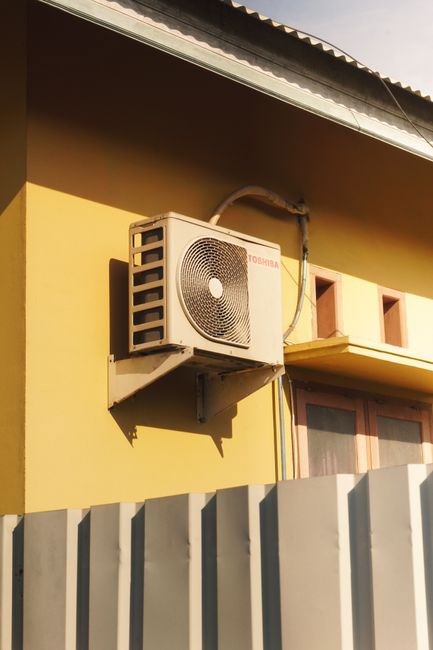
GE air conditioners feature advanced inverter technology, connectivity, and energy‑star efficiency. Models range from compact window units to whole‑house split systems, each offering precise temperature control, quiet operation, and Wi‑Fi plus integration for remote monitoring.
Model Variants
GE offers a diverse lineup of air‑conditioning solutions tailored to varying space sizes, climates, and user preferences. The lineup includes the 1‑ton to 3‑ton window units, ideal for small apartments or single rooms, featuring quiet‑mode operation and programmable timers. For larger spaces, the split‑system models—ranging from 2‑ton to 5‑ton capacities—provide seamless indoor‑outdoor integration, inverter‑driven compressors for variable speed control, and Wi‑Fi connectivity that allows remote temperature adjustments via the GE Smart app. The portable units, equipped with dual‑stage fans and built‑in air purifiers, are perfect for temporary cooling needs and come with a 12‑hour battery backup for power outages. The central HVAC units, designed for whole‑house installations, incorporate advanced heat‑pump technology that can reverse to provide heating during colder months, delivering energy‑efficient year‑round comfort. Each variant is available in multiple color finishes—black, white, and stainless steel to match home décor. Additionally, GE’s eco‑friendly models feature low‑global‑warming‑potential refrigerants (R‑32 or R‑410A) and comply with ENERGY STAR® guidelines, ensuring reduced environmental impact while maintaining peak performance. Whether you need a compact window unit, a versatile split system, a portable solution, or a full‑scale central HVAC, GE’s comprehensive range delivers reliable cooling, smart connectivity, and sustainable operation for every residential or small commercial setting. All units feature a 4‑inch touchscreen for easy control, seasonal presets and mode!!
Key Features
GE air conditioners combine advanced technology with user‑friendly design to deliver reliable, efficient cooling. The core features include a variable‑speed inverter compressor that adjusts fan speed to match room temperature, reducing energy consumption. Built‑in Wi‑Fi connectivity allows remote control through the GE Smart app, enabling scheduling, temperature monitoring, and energy‑usage reports from smartphone. The units support multiple fan modes—quiet, turbo—catering to comfort. Energy‑saving features such as auto‑restart after power loss, sleep mode and timers help maintain optimal indoor climate while minimizing electricity usage. Each model incorporates a high‑efficiency air‑filter system that captures dust, pollen, and allergens, improving indoor air quality. For eco‑conscious users, GE offers models that use low‑global‑warming‑potential refrigerants (R‑32 or R‑410A) and meet ENERGY STAR® standards, ensuring reduced environmental impact. The sleek design is available in black, white, or stainless steel. Additional safety features include an over‑temperature protection system, automatic shut‑off, and a child‑lock function to prevent accidental adjustments. With these comprehensive features, GE air conditioners provide dependable, quiet, and energy‑efficient cooling for homes and small businesses alike. Seamless smart home control, convenience today!!
- Variable‑speed inverter compressor for precise temperature control and lower energy use.
- Wi‑Fi connectivity with GE Smart app for remote monitoring and scheduling.
- High‑efficiency air‑filter that captures dust, pollen, and allergens.
- Low‑global‑warming‑potential refrigerants (R‑32/R‑410A) for eco‑friendly operation.
- Child‑lock, over‑temperature protection, and auto‑restart after power loss.

Installation
Install GE AC by mounting the cabinet on a level surface with 2‑inch clearance, connecting refrigerant lines, attaching the indoor coil, and verifying power rating matches the circuit breaker. Test operation, seal seams, and ensure safety compliance. Use a licensed electrician for wiring and check seals
Ensure the unit’s filter is cleaned monthly. Verify the thermostat’s calibration by comparing its reading with a reliable thermometer. Keep the outdoor unit clear of debris, trim vegetation, inspect condensate drain clogs. Finally, schedule annual professional maintenance to guarantee optimal efficiency and longevity.All set,ok.
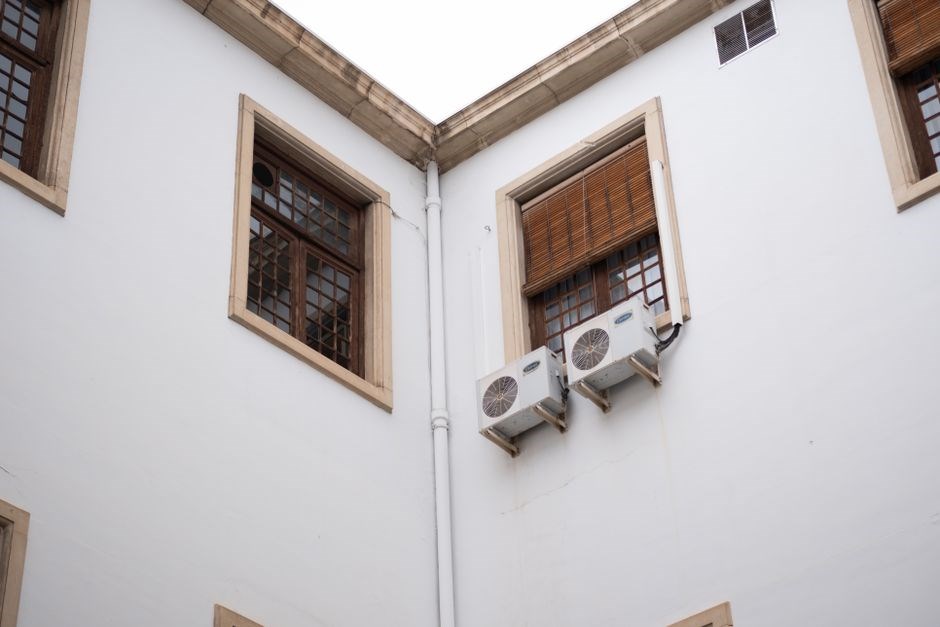
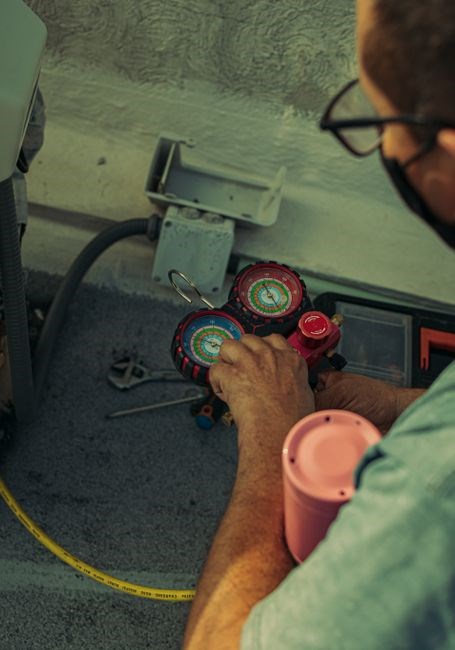
During installation, always verify that the unit’s mounting surface is level and can support the weight of the cabinet and its accessories. Use a calibrated spirit level to check the horizontal plane, and mark the mounting points before drilling. When securing the cabinet, ensure all screws are tightened to the manufacturer’s torque specifications to prevent vibration and noise. After mounting, connect the refrigerant lines with proper fittings and use a refrigerant gauge set to check for leaks; any detected leak should be repaired immediately with appropriate sealant. The electrical wiring must be performed by a licensed electrician, ensuring that the power supply matches the unit’s voltage and amperage rating, and that a ground fault circuit interrupter (GFCI) is installed for safety. Attach the condensate drain line to a suitable drainage point, ensuring it slopes downward at a minimum of 1/4 inch per foot to prevent water accumulation. Once all connections are secure, power on the unit and run a diagnostic test via the thermostat interface; confirm that the compressor engages, the fan operates, and the temperature differential is within the specified range. If any abnormal noise or vibration occurs, immediately shut down the unit and inspect the mounting bolts and refrigerant lines for loose fittings. All set!!! All set!!!
Operation
Operate your GE AC by setting the thermostat to the desired temperature. The unit cycles automatically, turning on the compressor and fan as needed. Use remote control to switch modes, adjust fan speed, enable energy settings. Indoor air quality and filter status are monitored regularly to maintain efficiency
Control Panel Functions
The GE air‑conditioner control panel offers intuitive, touch‑based or button interfaces that let you manage cooling, heating, fan speed, and advanced settings with ease. The primary functions include:
- Mode Selection: Choose between Cool, Heat, Fan‑Only, Auto, or Eco‑Mode. Auto mode balances temperature and energy use.
- Temperature Control: Set the desired temperature in 1‑degree increments. The display shows current room temperature and setpoint.
- Fan Speed: Toggle between Low, Medium, High, or Auto fan speeds. Auto fan adjusts based on temperature differential.
- Timer: Program start and end times for 24‑hour operation, ideal for sleep cycles or scheduled cooling.
- Sleep Mode: Gradually raise the temperature by 2‑3°F over 4‑6 hours to save energy while keeping comfort.
- Energy Saver: Activates low‑power compressor cycling when the set temperature is reached.
- Display & Diagnostics: Shows real‑time status, filter alerts, and error codes (e.g., F1, F2 for airflow issues).
- Remote Control Integration: Pair with the GE Smart app to adjust settings, view energy reports, and receive maintenance alerts.
- Child Lock: Prevents accidental changes to settings during operation.
Using these functions, you can optimize comfort, reduce utility costs, and maintain unit longevity. For troubleshoot, refer to the troubleshoot section.

Maintenance
Regular cleaning keeps GE AC efficient. Inspect vents, replace filters every 90 days, and wipe coils with a soft brush. Check for leaks, ensure proper airflow, and test thermostat accuracy. If performance drops, schedule professional service. Keep unit clean, check fan for airflow.now
Filter Replacement
After installing, run the unit for a few minutes to ensure airflow. Listen for noises that might indicate a loose filter or blockage. Verify the filter is seated correctly. A filter and reduces consumption today.

Troubleshooting
Check power, ensure unit is plugged in the unit and breaker on. Verify thermostat set to cooling and temperature lower than room. If fan runs but no cool air, inspect filter and replace if clogged. For compressor issues, listen for humming and contact service. now

Compressor Issues
When a GE air conditioner’s compressor fails, the unit will either not cool or run continuously without effect. First, confirm the power supply, check the circuit breaker, ensure the unit’s power cord is intact, and verify that the thermostat is set to “cool” with a temperature lower than the current room temperature. If the unit powers on but the compressor does not engage, inspect the compressor’s internal relay and contactor for signs of wear or burn marks; a faulty relay will prevent the compressor from receiving the necessary voltage. Next, examine the condenser fan: a stalled fan can overload the compressor, causing it to shut down. Clean or replace the fan blades if they are obstructed or damaged. If the compressor still does not start, test the high‑pressure and low‑pressure switches; a tripped high‑pressure switch indicates a blockage or refrigerant leak, while a low‑pressure switch trip suggests low refrigerant levels. In both cases, a qualified technician should perform a refrigerant recharge or leak repair. Finally, check for any audible noises such as a grinding or humming sound; these can signal mechanical failure or a seized motor; If you hear such noises, turn off the unit immediately and contact a licensed HVAC professional to avoid further damage and ensure safety compliance. Regular maintenance, including cleaning the condenser coils and ensuring proper airflow, can prevent many compressor problems and extend the unit’s lifespan. HVAC specialists. For further assistance, call support line!!
Electrical Faults
Electrical problems in a GE air conditioner can prevent it from operating or cause intermittent performance. The most common issues involve the power supply, circuit breaker, fuses, and internal wiring. First, verify that the unit is connected to a grounded outlet and that the breaker is not tripped. If the breaker trips on startup, inspect the main contactor and the compressor relay for signs of overheating or burn marks. A faulty contactor will fail to energize the compressor and fan motors, leading to a “no power” symptom. Next, examine the capacitor: a dead or weak capacitor will cause the compressor and condenser fan to fail to start. Replace the capacitor if the voltage reading is below the rated value. Wiring insulation should be inspected for cracks or moisture; damaged insulation can lead to short circuits, which may trigger the safety interlock. The thermostat wiring should also be checked; a broken or miswired thermostat can send incorrect signals to the control board, causing the compressor to remain off. If the unit displays a high‑temperature error code, it may indicate a fault in the high‑pressure switch or the pressure sensor. In that case, a qualified HVAC technician should perform a pressure test and refrigerant recharge if necessary. Finally, always disconnect power before inspecting or repairing any electrical component. If you are unsure or uncomfortable with troubleshooting, contact a licensed service professional to avoid injury or further damage. Safety first, and keep the unit running smoothly!!—————————